Skip to content
With their evergreen foliage, persistent upright cones, and soft needles, firs are welcome additions to many Michigan properties. Capable of providing a fantastic combination of privacy, shade, and ornamental value, they’re some of the most celebrated trees in our area.
However, as with all trees, it’s important to provide firs with the support they need to thrive. We’ll try to help you do so below, by sharing some of the most common firs planted in our area, outlining their care requirements, and identifying some of the red flags that may indicate you need professional help.
Getting to Know the Firs: Basic Facts
Fir trees are prized for their soft foliage, symmetrical form, and exceptional ornamental value. Many species are relatively fast-growing and develop a naturally pyramidal shape over time. However, while some species remain pretty compact, others mature into impressive trees that work well for providing shade or privacy.
As a group, firs are well-adapted to cold climates, as is evidenced by their natural range, which is largely limited to northern latitudes or mountainous regions. Additionally, their branches are quite flexible, which allows them to shed snow rather easily.

One of the most distinctive characteristics of fir trees is their upright cones, which sit atop the branches rather than hanging downward. Unlike many other conifers, these cones disintegrate as they mature, releasing their seeds and leaving only a central spike behind.
Is That Tree a Spruce or Fir?
Spruces and firs are often similar looking, which occasionally causes identification challenges. Fortunately, there are a few easy ways to tell them apart once you know what to look for.
- Fir needles are soft and flat, while spruce needles are stiff, square, and roll easily in your fingers.
- Fir needles attach directly to the branch; spruce needles are attached to small, woody pegs.
- Fir cones stand upright on the branches like candles, whereas spruce cones hang down pendulously.
- Fir needles are generally softer and more flexible than the sharp needles of spruces.
Firs That Thrive in Michigan
Michigan’s cold winters and relatively mild summers make it an excellent place to grow many fir species. Whether you’re looking for a small ornamental tree or a large evergreen specimen, there are numerous firs that perform well in Michigan landscapes when planted in appropriate site conditions.
- Balsam Fir (Abies balsamea): Michigan’s only native true fir, balsam fir is well adapted to the Great Lakes region and remains a popular choice for ornamental plantings.
- Concolor Fir (Abies concolor): One of the most adaptable firs for Michigan landscapes, the concolor fir is prized for its silvery-blue needles, attractive form, and excellent cold hardiness.
- Korean Fir (Abies koreana): The Korean fir is a smaller ornamental fir that’s known for its striking purple cones, which make it stand out in residential and commercial landscapes.
- Fraser Fir (Abies fraseri): Best known as a Christmas tree species, Fraser fir works well in Michigan and offers excellent needle retention and attractive blue-green foliage.
- Nordmann Fir (Abies nordmanniana): Valued for its glossy dark green needles and dense branching habit, Nordmann fir is a great choice for those seeking a large specimen tree.
- Grand Fir (Abies grandis): The grand fir is a fast-growing species with fragrant, dark green foliage that can develop into an impressive landscape tree when given adequate space.
- Noble Fir (Abies procera): Often regarded as one of the most beautiful true firs, noble fir features distinctive blue-green foliage and tends to grow into a stately, aesthetically pleasing tree.
- Silver Fir (Abies alba): This European species is a large, long-lived evergreen that can thrive in many residential and commercial landscapes across Southeast Michigan.
- Spanish Fir (Abies pinsapo): The Spanish fir is an unusual and highly ornamental fir with stiff, radially arranged needles that give its branches a unique bottle-brush appearance.
- Veitch Fir (Abies veitchii): Well-known for the silvery undersides of its evergreen needles, the Veitch fir creates a striking shimmering effect when viewed while blowing in the wind.
- Subalpine Fir (Abies lasiocarpa): A narrow, blue-green fir native to the mountains of western North America, the subalpine fir performs particularly well in cooler regions of Michigan.
Caring for Firs in Michigan
Most fir trees are relatively easy to care for when they’re planted in suitable site conditions. Simply addressing a few key aspects will usually help ensure your fir remains a beautiful part of your landscape for decades.
Watering
Most fir species prefer consistently moist, well-drained soils and appreciate supplemental watering during extended dry periods, particularly while they’re becoming established. Although some species are more adaptable than others, none thrive when exposed to prolonged droughts or poorly drained soils.
Pruning
Fir trees rarely require extensive pruning thanks to their naturally symmetrical growth habit. Professional pruning is typically only needed for removing dead, damaged, or diseased branches or addressing structural issues in younger trees.
Mulching
Applying a layer of organic mulch beneath your fir can help conserve soil moisture, regulate soil temperatures, and reduce competition from turfgrass and weeds. When applying mulch, be sure to keep it several inches away from the trunk to prevent moisture-related problems and discourage decay.
Monitoring
While many fir species are relatively resilient, they are not immune to pests and diseases. Regular inspections can help identify issues before they become severe, allowing for timely treatment and improving the tree’s long-term health and appearance.
Common Pests, Diseases, & Environmental Problems Affecting Firs
Although fir trees are generally considered hardy and relatively trouble-free, they can still be affected by a variety of insects, fungal pathogens, and environmental stressors. Learning to recognize the early signs of a problem can help prevent minor issues from becoming major concerns.
Common Fir Tree Pests

Several insect pests are known to attack fir trees in Michigan landscapes. While some are primarily cosmetic, others can cause significant stress or predispose trees to additional problems.
- Balsam Woolly Adelgid: One of the most important pests of firs, these small, sap-feeding insects can cause branch dieback, swelling, and, in some fir species, tree death.
- Spruce Spider Mites: Despite their name, these mites commonly feed on firs and can cause stippled or bronzed foliage, particularly during cool weather.
- Fir Needle Miner: Fir needle miners are tiny insects that tunnel within fir needles, causing foliar discoloration and premature needle drop.
- Bagworms: Although more commonly associated with arborvitae and junipers, bagworms occasionally feed on fir trees and can cause localized defoliation.
- Scale Insects: Several species of scale may infest firs, feeding on sap and weakening affected branches over time.
Common Fir Tree Diseases & Pathogens
Fungal diseases are among the most common health issues affecting fir trees, particularly when environmental conditions favor their development.
- Needle Cast Diseases: Several fungal pathogens can cause fir needles to become discolored and drop prematurely, leading to thinning canopies and reduced vigor.
- Phytophthora Root Rot: Poorly drained soils can predispose firs to this destructive water mold, which attacks the root system and can eventually lead to tree death.
- Cytospora Canker: This fungal disease causes branch dieback and resin production, though it typically affects stressed or weakened trees.
- Armillaria Root Rot: Sometimes called shoestring root rot, this fungal pathogen attacks the roots and lower trunk of firs, leading to significant structural problems.
- Rhizosphaera Needle Cast: Although most commonly associated with spruces, Rhizosphaera can occasionally affect fir species under favorable conditions.
Environmental and Cultural Issues
Not all fir tree problems are caused by insects or pathogens. Environmental stress is often a contributing factor in tree decline — particularly in residential and commercial landscapes.
- Drought Stress: Extended periods of hot, dry weather can cause needle browning, reduced growth, and increased susceptibility to pests and diseases.
- Poor Drainage: When grown in saturated soils, many fir species suffer from root decline and become especially susceptible to opportunistic infections.
- Improper Planting: Planting a fir too deeply or selecting an unsuitable site can significantly shorten its lifespan and increase maintenance requirements.
- Mechanical Damage: Injury from lawn equipment, construction activities, or soil compaction can stress fir trees and create entry points for pathogens and decay organisms.
Eight Signs Your Fir May Require Removal
Fir trees can live for many decades when properly cared for, but there are situations in which removal may be the safest and most practical option.
If you notice any of the following issues, it’s worth having your fir evaluated by one of the professional arborists at Treemendous Tree Care. Prompt action can often address problems early, before an emergency removal becomes necessary.
- Significant Branch Dieback: Extensive dead or dying branches throughout the canopy may indicate serious health problems that deserve prompt attention to prevent further spread.
- Progressive Needle Loss or Discoloration: Widespread needle browning or premature needle drop can be a sign of chronic stress, root problems, or severe pest issues.
- Significant Insect Activity: Heavy infestations of insects such as balsam woolly adelgid or scale may cause irreversible damage in susceptible fir species.
- Advanced Root Rot: Diseases such as Phytophthora or Armillaria can compromise both the health and structural integrity of a tree, often making removal necessary.
- Large Trunk Cracks or Cavities: Significant cracks, cavities, or other structural problems can increase the likelihood of branch or stem failure.
- Noticeable Leaning: A tree that begins leaning suddenly may indicate soil instability or root failure — both of which warrant immediate evaluation by an arborist.
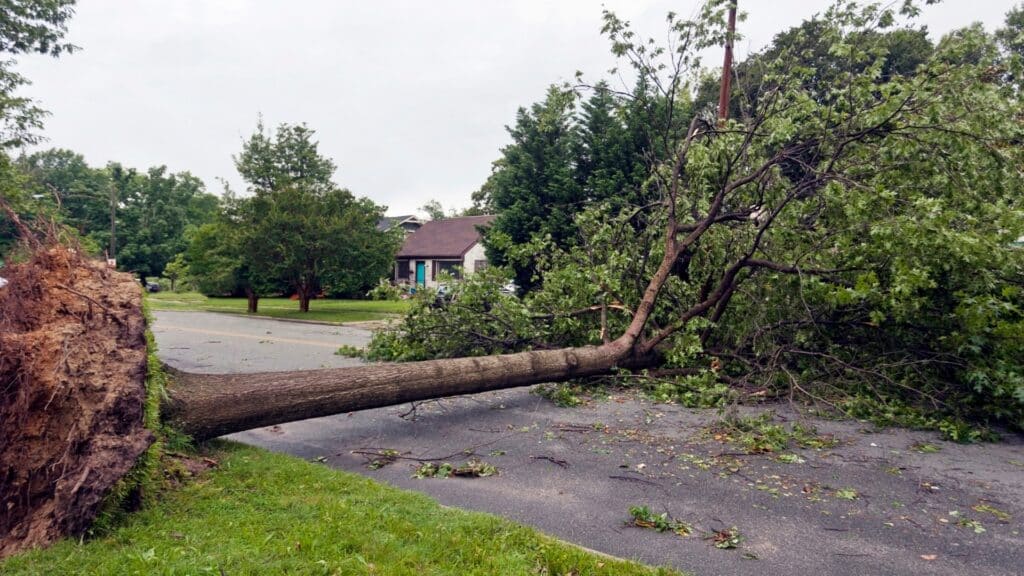
- Storm Damage: Severe damage from wind, ice, or lightning may leave a fir structurally unsound or beyond reasonable restoration.
- Poor Overall Condition: When a fir is experiencing multiple health and structural issues simultaneously, removal may be the most appropriate long-term solution.

Frequently Asked Questions About Fir Trees in Michigan
Below are answers to some of the most common questions Michigan homeowners and property managers have about selecting and caring for fir trees.
Are any fir trees native to Michigan?
Yes. The balsam fir is naturally found in Michigan. In fact, it is the only fir native to the state. Most other fir species grown in Michigan landscapes are exotic species that have been introduced for their ornamental qualities and cold hardiness.
What is the best fir tree for Michigan landscapes?
That depends on your goals and available space. Concolor fir is often considered one of the best all-around choices thanks to its attractive blue foliage, adaptability, and excellent cold hardiness. Korean fir is a great option for smaller landscapes, while Fraser and Nordmann fir are popular for larger properties.
How fast do fir trees grow?
Most fir trees are considered moderate to fast growers, typically adding about 12 to 24 inches of growth per year under favorable conditions. However, specific growth rates vary by species, site conditions, and overall tree health.
Are fir trees difficult to maintain?
Not at all. Fir trees generally have few maintenance requirements when planted in appropriate conditions. Providing adequate water during dry periods, mulching the root zone, pruning them occasionally, and inspecting them periodically for pests or diseases will usually keep them healthy.
Do fir trees make good privacy screens?
Yes. Many fir species develop dense, evergreen foliage that provides excellent year-round privacy and wind protection.
What pests and diseases affect fir trees in Michigan?
Common issues include balsam woolly adelgid, spruce spider mites, needle cast diseases, and root rot pathogens such as Phytophthora and Armillaria. Regular inspections can help identify problems before they become severe.
When should a fir tree be removed?
Removal may be necessary when a fir tree has suffered severe structural damage, advanced pest or disease problems, significant root failure, or irreversible decline. A professional arborist can help determine whether treatment or removal is the most appropriate course of action.
Get the Support Your Fir Trees Need
Whether you’re planting a young Korean fir or caring for a mature Fraser fir, proper maintenance is essential to keeping these beautiful evergreens healthy and thriving.
From routine inspections and pruning to diagnosing tree diseases, the arborists at Treemendous Tree Care can help maximize both the health and longevity of your trees. Contact us today to schedule a consultation and keep your Michigan fir trees looking their best year-round.
Sources and References
- MSU Extension – “Pine, Spruce or Fir: Getting to Know Michigan Evergreen Trees”
Identification guide explaining how to distinguish Michigan’s common conifers by needle arrangement, shape, and attachment, and by cone characteristics.
https://www.canr.msu.edu/news/pine_spruce_or_fir_getting_to_know_michigan_evergreen_trees - Michigan Department of Natural Resources – “Michigan Trees: Balsam Fir”
State agency profile of balsam fir (Abies balsamea), covering its identification, characteristics, habitat, and role in Michigan’s northern forests.
https://www.michigan.gov/dnr/education/michigan-species/plants-trees/balsam-fir - MSU Extension – “The Firs”
Horticultural article by Dr. Bert Cregg on the true firs (Abies spp.), their site and soil requirements, and their use in Michigan’s landscape and Christmas tree industries.
https://www.canr.msu.edu/hrt/uploads/535/78626/firs.pdf - Michigan Invasive Species Program – “Balsam Woolly Adelgid”
State watch-list profile of balsam woolly adelgid (Adelges piceae), a sap-feeding insect that attacks true firs, with identification, reporting, and impact information.
https://www.michigan.gov/invasives/id-report/insects/balsam-woolly-adelgid